The Mystery of Inequality
Why are some countries rich and stable while their neighbors are poor and chaotic? In their 2012 book Why Nations Fail, Daron Acemoglu and James A. Robinson argue that the answer is not geography, culture, or luck. It comes down to one thing: institutions.
Let’s look at a real-world example: the city of Nogales. A fence cuts the city in half. On the north side, in Arizona, residents have property rights, a functioning legal system, and the power to vote people out of office. They are relatively wealthy and healthy. On the south side, in Sonora, Mexico, residents face corruption, unreliable laws, and economic instability. They earn a fraction of what their northern neighbors do.
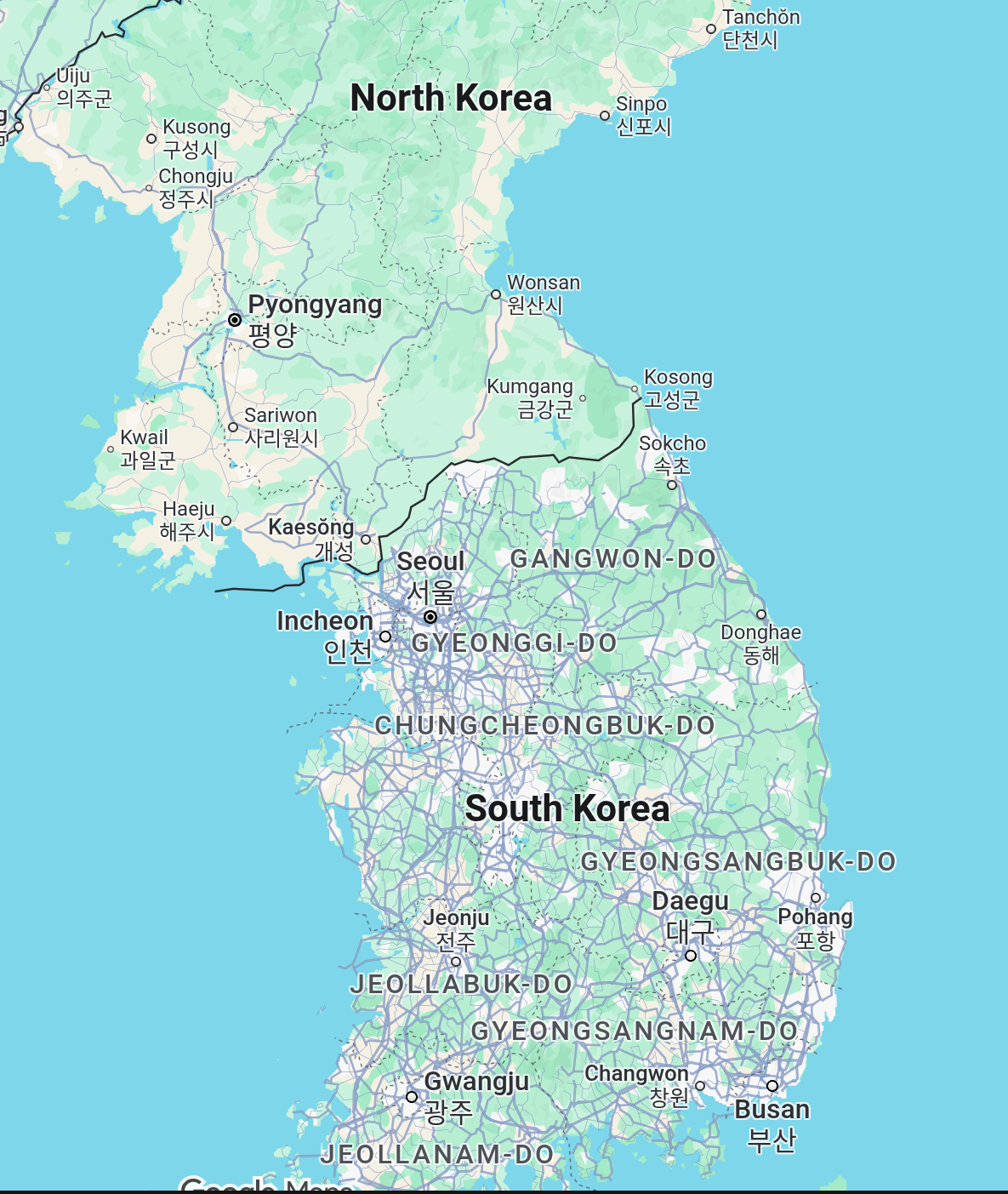
Both sides share the same geography, the same climate, and the same culture. The only difference is the system they live in. Another example would be North Korea versus South Korea. Just look at the map. I think you can’t deny that something other than geography and also history and with this culture can’t be the cause for this stark difference.
The core idea:
The authors argue that every society is defined by its institutions, the rules of the game. These rules fall into two categories.
The “Rigged” System: Extractive Institutions
The goal of an extractive system is to take money and resources from the many and give it to the few. Power is concentrated, and the average person has no say and no protection. People do not innovate or work hard, because they know the government might steal their success. Think of North Korea or Colonial Africa. My own take, not the authors’, is that not so long ago this also applied to China and parts of South America.
The “Fair” System: Inclusive Institutions
An inclusive system lets everyone take part in the economy and in politics. Power is shared. Laws protect property and contracts. If you invent something, you keep the profit. Because people keep what they earn, they are motivated to invent, build, and invest. This creates wealth for the whole nation. Even if you think you are not fairly treated all the time, most western countries do a pretty good job regarding inclusive institutions.
Three Theories That Are Wrong
Before diving into an explanatory theory, let’s discuss three popular explanations for poverty which are wrong in the opinion of the authors and also I think the same way.
The first is the geography hypothesis: hot countries are poor, cold countries are rich. This fails because North and South Korea or the introductory example of Nogales Arizona vs. Nogales Sonora show the opposite. In both examples the two societies sit on the same region with the same weather and similar geography, yet their economies are opposites.
The second is the culture hypothesis: some cultures just work harder. Also this explanation can be falsified with for example East and West Germany. Both populations shared the exact same history and culture, but the communist East failed while the democratic West thrived.
The third is the ignorance hypothesis: poor countries have leaders who simply do not know how to fix the economy. This fails too. Most dictators know exactly how to fix the economy. They choose not to, because a fair economy would weaken their grip on power.
How History Shapes Us
Critical Junctures: The Fork in the Road
History is full of major events, such as plagues, wars, or new technologies, that force countries to choose a path. In the book these are called critical junctures.
When the Black Death killed half of Europe’s workers in the 1300s, labor became scarce. In Western Europe, peasants used this leverage to demand wages and rights, starting a path toward freedom. In Eastern Europe, landlords clamped down harder to force peasants to work, starting a path toward stagnation.
Small differences in how a country reacts to a crisis can lead to massive differences centuries later.
The Doom Loop vs. The Success Loop
Once a system starts, it tends to reinforce itself.
In the vicious circle, or doom loop, extractive regimes make holding power extremely profitable, because you can steal almost everything. This makes elites fight dirty to keep power, leading to coups, civil wars, and instability. Sierra Leone is an example.
In the virtuous circle, or success loop, inclusive regimes limit how much power one person can hold. This builds trust. Even when a leader tries to grab more power, as when FDR tried to pack the US Supreme Court, the institutions are strong enough to say no.
Important Nuances
Can rigged systems grow? Yes, for a while. The Soviet Union grew fast under Stalin by moving labor from farms to factories by force. But this growth always hits a wall, because forced labor cannot produce innovation. Sustainable growth requires freedom. Here is my own speculation, not something the book claims: let’s see how this will play out in modern China. Until now (2025) it seems to contradict the theory. But maybe its growth has some hidden problems which will only surface once it reaches a certain threshold of wealth.
The struggle is real. The history of humanity is a constant struggle between elites, who want to rig the game, and the rest of society, who want a fair game. Inclusive institutions usually only happen when people band together, merchants, workers, and peasants, to demand a seat at the table.
Conclusion
The message of Why Nations Fail is empowering but realistic. Nations do not fail because they are cursed by geography or culture. They fail because their leaders set up the system to benefit themselves at the expense of everyone else. Prosperity comes when the rules of the game allow everyone to play. We should think about this and thank our ancestors who fought for inclusive institutions. The default path in history seems to be dictatorship. So maybe we have to fight actively to keep our inclusive institutions. Think of the current war in Ukraine.
Source
Why Nations Fail by Daron Acemoglu and James A. Robinson